“lactic acid” search results (70)
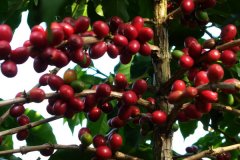
Lactic acid fermentation treated coffee about the recently popular red wine treated coffee
Colombian red wine treatment at present, among all the coffee producing areas on the earth, very few red wine-like treatments have been successfully tested. After years of testing, this treatment has finally been able to control the acidic structure of coffee. Fermented coffee similar to red wine treatment greatly enhances the sweetness, cleanliness and multi-level complex and elegant acidity of the coffee. This way of fermentation
2016-04-16 Lactic acid fermentation processing coffee about recently red wine Columbia
Red wine treatment of coffee beans
Abstract: what the heck! The red wine treatment of coffee beans, also known as red wine treatment, is inspired by the brewing technology of red wine. We can roughly divide the types of red wine treatment into: acetic acid fermentation (Aerobic aerobic fermentation), lactic acid fermentation (Anaerobuic anaerobic fermentation), mixed fermentation 2015 WBC contestant Sasa brought a similar red wine brewing to the world.
2015-11-17 Coffee beans red wine treatment methods abstracts what coffee beans but
Treatment of nutty coffee and red wine-how many treatments are there for coffee
Sasa described in the competition: select Rume Sudan from Las Nubes, Colombia, put the coffee fruit in a sealed metal container for anaerobic fermentation, and purposefully control the pH value of the fermentation process, the type and number of bacteria involved in the fermentation and other variables. The processor injects carbon dioxide into the container to prevent oxidation from producing volatile acid.
2016-10-17 Fruity coffee red wine handling how much
Starbucks of Japan develops new technology to raise cattle with coffee grounds to produce milk organic food.
According to a report in the Taiwan Xing Bao on May 25, Starbucks in Japan has developed the latest fermentation technology, using coffee grounds to raise cattle and produce milk. Starbucks in Japan recently partnered with contact lens company Menicon to successfully develop the latest lactic acid fermentation technology to convert coffee grounds into dairy feed. The quality of its milk is excellent, which makes it very popular with Starbucks in Japan.
2016-07-13 Japan Buck Development New Technology Coffee cattle Milk Organic Food Global
What is Salted Coffee?
Add 1/4~1/6 teaspoon of natural salt to a cup of coffee, plus lactic acid bacteria and other ingredients that adjust the intestinal environment. It can eliminate constipation, improve intestinal environment, increase enzyme quantity and improve enzyme efficiency. Caffeine, the main component of coffee, has awakening and diuretic effects; it can dilate bile ducts, accelerate the excretion of toxins and wastes in the blood; it can also increase the secretion of gastric juice and improve the score.
2015-03-25 boutique coffee what a cup a small natural plus lactic acid bacteria and its
What is Salt Coffee?
Add 1/4~1/6 teaspoon of natural salt to a cup of coffee, lactic acid bacteria, and other ingredients that adjust the intestinal environment. It can eliminate constipation, improve intestinal environment, increase enzyme quantity and improve enzyme efficiency. Caffeine, the main component of coffee, has awakening and diuretic effects; it can dilate bile ducts, accelerate the excretion of toxins and wastes in the blood; it can also increase the secretion of gastric juice and improve the score.
2014-08-06 What coffee cup a small natural plus lactic acid bacteria and other tune
New setting of Coffee grounds-raising cattle
Starbucks in Japan has developed the latest fermentation technology to raise cattle and produce milk with coffee grounds, Taiwan's United News Network reported on the 25th.
2014-06-04 Coffee news coffee grounds coffee grounds utilization
Caffeic acid Caffeic acid is not equal to coffee
On June 24, 2013, People's Daily published an article revealing the PX project: its carcinogenicity is at the same level as coffee. According to international standards, PX is not a dangerous chemical and is a possible carcinogen like the coffee we drink. IARC's assessment of the risk of human cancer caused by chemicals is currently recognized as authoritative data. Interestingly, in its list of five carcinogens, the name of coffee appeared in 1991.
2016-06-24 Coffee Caffeic acid is not equal to 2013 June
The red wine treatment of coffee beans can also be called quasi-red wine treatment.
Can you think of the relationship between coffee and red wine? I'm sure you've heard of the traditional coffee making process, but how much do you know about coffee processed with red wine? Let's take a look at it next. The red wine treatment of coffee beans, also known as red wine treatment, is inspired by the brewing technology of red wine. At present, only eight estates in Colombia have successfully adopted the
2015-10-22 Coffee beans red wine processing can be called coffee can think of them relationships biography
Description of Flavor of Coffee beans treated with Red Wine
In addition, some containers are similar to red wine fermentation plugs or one-way exhaust valve devices through which carbon dioxide can be discharged to control the air concentration in the container. At this point, the coffee fruit in the container is fermented with acetic acid, the bean flavor is relatively bright and clean, with citric acid flavor Sasa described in the competition: choose Ray of Columbia Cloud Manor (Las Nubes)
2016-10-24 Red wine processing coffee beans flavor description grinding characteristics varieties different introduction
Coffee knowledge what is the treatment of red wine?
2015 WBC contestant Sasa brought to the world a Colombian coffee bean that has gone through a similar wine-making process. In addition to the novel taste of beans, the red wine treatment used to treat beans also made editors as curious as many coffee lovers. What exactly is the so-called red wine treatment? Before writing this article, the editor flipped through Colombia
2015-06-18 Coffee knowledge wine processing what is it gadget 2015 WBC reference
Coffee bean treatment method what is the red wine treatment method?
2015 WBC contestant Sasa brought to the world a Colombian coffee bean that has gone through a similar wine-making process. In addition to the novel taste of beans, the red wine treatment used to treat beans also made editors as curious as many coffee lovers. What exactly is the so-called red wine treatment? Before writing this article, the editor flipped through Colombia
2015-11-06 Coffee beans processing method red wine what is it 2015 WBC contestants
Value addition of coffee by in vitro hot fermentation
Through in vitro thermal fermentation technology, the ITRI has successfully developed masked palm civet coffee with a unique taste in Taiwan, which has also created new industrial value for coffee farmers in Taitung. Five years ago, the farm of coffee farmers in Taitung, which was first assisted by the ITRI, has seen a turnaround in the tourist market. The number of tourists has increased as much as 10 times every month, and masked palm civet's coffee has earned more than 100,000 yuan. In vitro hot fermentation is not produced by South Branch of Industrial Research Institute.
2014-04-27 In vitro fermentation technology coffee value industrial research penetration in vitro
From the composition and composition of coffee beans to talk about the acidity of coffee to understand the structural growth substances of coffee beans
Caffeic acid [Chinese name] caffeic acid [English name] Caffeic acid [composition classification] Organic acids and phenolic coffee acidity may be the most incorrect and most misunderstood term used to evaluate the taste of coffee. This is a quantitative term that refers to the relative strength of the acidic components in the liquid being evaluated. Although the terms of coffee are sour and descriptive
2016-01-07 Coffee beans ingredients composition coffee cognition structure growth substances Chinese
Boutique coffee roasting knowledge of acid in roasted coffee
Formic acid is the most in shallow baking, and acetic acid is the most in shallow baking with the deepening of deep baking. with the deepening of deep baking, pyruvate and baking degree-independent lactic acid and baking degree-independent malic acid are the most in shallow baking, and citric acid is the most in shallow baking with the deepening of deep baking.
2014-10-15 Coffee knowledge fine coffee roasting coffee roasting
Basic knowledge of sour coffee in roasted coffee
There are mainly the following kinds of acids in roasted coffee: formic acid is the most in shallow roasting, and acetic acid decreases gradually with the deepening of deep roasting. With the deepening of deep baking, pyruvate and baking degree independent lactic acid and baking degree independent malic acid are the most, while citric acid decreases with the deepening of deep roasting.
2015-01-28 Baking okay coffee medium basics common sense baking
General knowledge of Fine Coffee Acid in roasted coffee
There are mainly the following kinds of acids in roasted coffee: formic acid is the most in shallow roasting, and acetic acid decreases gradually with the deepening of deep roasting. With the deepening of deep baking, pyruvate and baking degree independent lactic acid and baking degree independent malic acid are the most, while citric acid decreases with the deepening of deep roasting.
2014-12-17 Boutique coffee common sense baking good medium
There are mainly several kinds of acids in roasted coffee.
Formic acid is the most in shallow baking, and acetic acid is the most in shallow baking with the deepening of deep baking. with the deepening of deep baking, pyruvate and baking degree-independent lactic acid and baking degree-independent malic acid are the most in shallow baking, and citric acid is the most in shallow baking with the deepening of deep baking.
2015-03-25 Baking coffee medium acid there should be the following several kinds formic acid light
Coffee beans roasting common sense acid in roasted coffee
Formic acid is the most abundant in light roast coffee, decreasing gradually with the depth of roast. Acetic acid is the most abundant in light roast coffee, decreasing gradually with the depth of roast. Pyruvic acid is independent of roast degree. Lactic acid and malic acid are independent of roast degree. Citric acid is the most abundant in light roast coffee, decreasing gradually with the depth of roast coffee
2015-05-12 coffee beans roast common sense good coffee medium
Having a cup of coffee before taking a nap can relieve fatigue and health care.
Expert Ming said that the substances that cause fatigue in the body are mainly lactic acid, uric acid, urea and so on. If they are not cleared in time, they will cause drowsiness. And coffee can be diuretic and dehumidifying, so that people timely discharge harmful substances, so that the tired body to relax. Experts point out that taking a nap at noon is very good for the body, while drinking a small cup of warm coffee before drinking is better. Even if I can't sleep.
2015-07-31 Before going to bed have a cup of coffee relieve fatigue keep in good health tips experts said that the body leading to